
Published
- 3 min read
The small-ball World Series? How the Brewers and Rays...
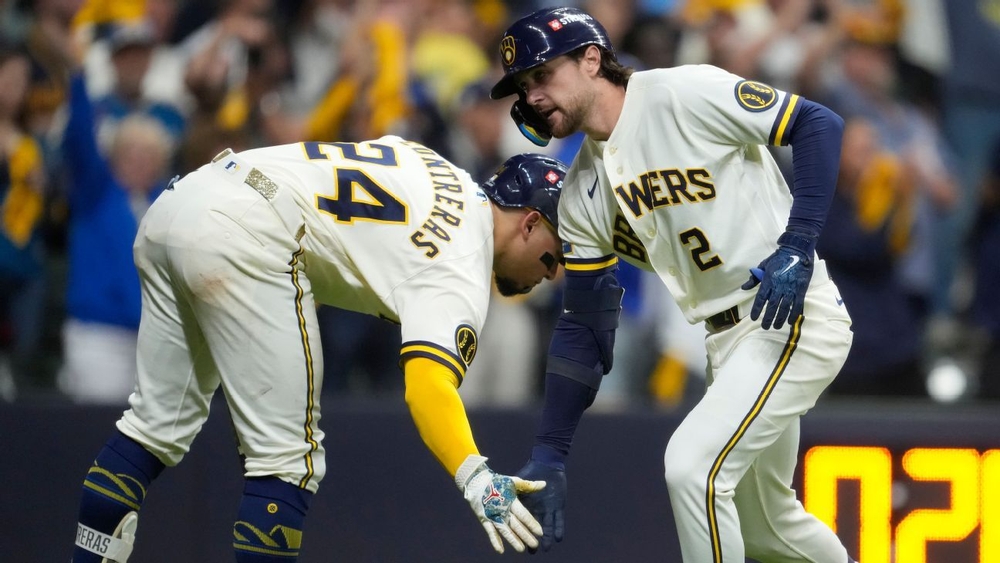
Match Overview: The Small-Ball Blueprint
A potential World Series clash between the Milwaukee Brewers and Tampa Bay Rays represents baseball’s ultimate analytical masterclass. Both franchises consistently bypass 200-million-dollar payrolls by weaponizing elite defense, aggressive baserunning, and high-efficiency run prevention.
While modern baseball often relies on high-velocity pitching and the three true outcomes, Milwaukee and Tampa Bay challenge the status quo. However, labeling this matchup strictly “small-ball” oversimplifies how both clubs operate. While they rank near the top of Major League Baseball in stolen bases and manufactured runs, both organizations lean heavily into modern bullpen optimization, shifting algorithms, and targeted power rather than traditional sacrifice bunts.
Key Stats & Facts
The statistical profiles of both clubs highlight how they fit—and disrupt—the traditional small-ball narrative:
- Stolen Base Aggression: Milwaukee (217 stolen bases, 2nd in MLB) and Tampa Bay (178 stolen bases, 6th in MLB) rely on elite transition speed to generate scoring opportunities without extra-base hits.
- The Slugging Reality: Milwaukee finished 20th in MLB in team home runs (177), firmly fitting the small-ball mold. Conversely, Tampa Bay’s lineup leans on walk-rate optimization (8.9% BB rate) rather than pure contact hitting.
- Run Prevention Anchors: The Brewers posted a team ERA of 3.65 (5th in MLB), backed by a bullpen that logged 652.1 innings. Tampa Bay countered with a 3.78 staff ERA and a top-five defensive efficiency rating (.708).
- Bunt Frequency Paradox: Despite the “small-ball” label, neither team relies on the sacrifice bunt. Tampa Bay registered just 11 sacrifice hits all season (bottom three in MLB), preferring analytically driven base-advancement methods.
- Payroll Efficiency: Both clubs rank in the bottom third of total payroll spend, averaging under 1.1 million dollars per regular-season victory.
Player Spotlight & Standings Impact
Player Spotlight
- Brice Turang (MIL - 2B): The embodiment of Milwaukee’s operational style. Turang stole 50 bases with an 86.2% success rate, paired with +22 Outs Above Average (OAA), making him the premier defensive and transition-speed second baseman in the National League.
- Yandy Díaz (TB - 1B): Díaz defies the typical power-hitting first-base profile. Posting a team-leading .281 batting average with an elite 13.8% strikeout rate, Díaz provides relentless contact and high on-base stability at the top of Tampa Bay’s order.
Standings Impact
- Milwaukee Brewers: Clinched the NL Central with a 93-69 record, securing the No. 3 seed. Their model proved sustainable over 162 games, outlasting big-market rivals despite trading away their traditional rotation ace prior to the season.
- Tampa Bay Rays: Finished inside the AL wild-card race (80-82), managing a transition year defined by high-leverage bullpen usage and targeted trades. A complete postseason return relies on their base-path execution remaining among the league’s top five.
- Postseason Outlook: Should both clubs meet in the Fall Classic, it would mark the lowest combined regular-season team home run total in a World Series matchup since 2014, setting up a definitive clash of bullpen management and base-running efficiency.